
Nestled along the southwestern shores of the South River, just a few miles from the heart of Annapolis, Edgewater has quietly flourished as one of Anne Arundel County’s most cherished neighborhoods. With calm creeks, tree-lined roads, and a community spirit rooted in both land and water, Edgewater is a place where the echoes of history blend beautifully with everyday life. For lifelong residents and curious newcomers alike, Edgewater’s story is woven with resilience, connection, and enduring charm.
Beginnings Beside the Water
Edgewater’s earliest roots date back to the colonial era, when Maryland’s rich waterways attracted English settlers and entrepreneurs alike. By the late 1600s, the native Piscataway people and early colonists recognized the area’s bounty—fertile soil, teeming rivers, and dense woodland—which made it ideal for farming, fishing, and trade.
The name “Edgewater” is itself a gentle tribute to the area’s geography. As Annapolis grew into Maryland’s capital across the creek, settlers to the south simply described their home as being “at the edge of the water.” Over time, this straightforward reference became the neighborhood’s enduring moniker.
From Farms to Waterfront Retreats
Throughout the 18th and 19th centuries, Edgewater remained largely rural, its landscape dominated by sprawling farms and orchards. The community was connected by a patchwork of country lanes—many of which still exist today, like Mayo Road and Central Avenue. Local legend holds that some of the stately trees lining these roads were planted by early families marking property lines and community boundaries.
As steamboats began plying the Chesapeake Bay and its tributaries in the late 1800s, Edgewater saw its first significant wave of weekend visitors. Drawn to its quiet shores, Baltimore and Washington residents built rustic summer cottages along the riverbanks, giving rise to small enclaves like Woodland Beach and Londontowne. Some of these early vacation homes, particularly on streets like Shore Drive and South River Landing, still stand as charming reminders of this golden era.
Key Milestones Shaping Edgewater’s Character
Edgewater’s character evolved not in dramatic leaps, but in steady, meaningful milestones:
- The London Town Settlement: Dating all the way back to 1683, Historic London Town and Gardens functioned as an important colonial port and trading hub. Today, it’s a fascinating heritage site on Londontown Road, offering glimpses into 18th-century life with its reconstructed buildings, archaeology exhibits, and striking gardens.
- The Rise of Route 214: Central Avenue, also known as Route 214, became a vital corridor connecting Edgewater to Annapolis and surrounding areas. Its improvement in the 20th century helped transform Edgewater from secluded countryside to a growing, accessible suburb.
- Education and Community: The opening of Edgewater Elementary School on Mayo Road in the mid-20th century cemented the area’s reputation as an inviting, family-friendly place. Local institutions such as South River High School and Edgewater Library have become pillars of learning and civic engagement.
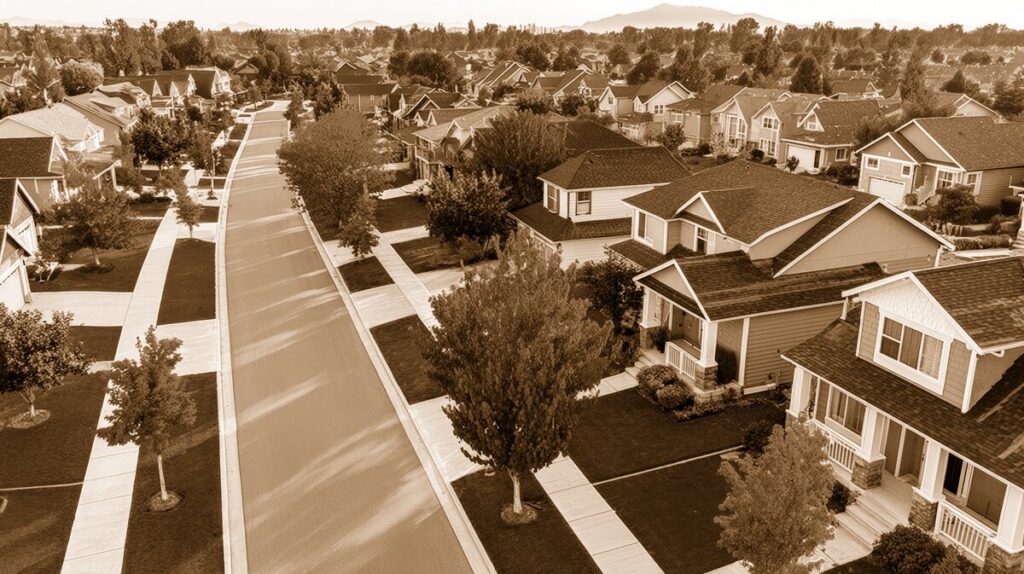
- Suburban Expansion: After World War II, Edgewater grew rapidly, its farmland gradually giving way to planned neighborhoods like Gingerville, Selby-on-the-Bay, and Loch Haven. Streets such as Stepneys Lane and Loch Haven Road trace the neighborhood’s steady expansion, their tidy homes reflecting different waves of postwar architecture and community optimism.
Notable Landmarks and Beloved Spaces
Edgewater’s special places are both historic and integral to the rhythm of daily life:
- Historic London Town and Gardens: Set along the South River, this living history museum preserves not only the area’s colonial roots but also boasts one of the region’s most stunning horticultural displays. Walk along the William Brown House, a National Historic Landmark, and imagine the bustling riverport of centuries past.
- Edgewater Park: A favorite among families, Edgewater Park on Washington Road features ball fields, playgrounds, and a walking trail shaded by old trees—a lively hub where generations have shared laughter and camaraderie.
- Selby Bay and Glebe Bay: Along the eastern waterfront, these peaceful inlets offer some of the area’s best opportunities for kayaking, fishing, and sunset-watching. The neighborhoods lining their shores are known for community picnics and friendly waterfront gatherings.
- Edgewater’s Marinas: From Turkey Point Marina off Mayo Road to the inviting Yacht Basin at Londontowne Marina, the neighborhood’s marinas pulse with the excitement of the boating season. Each is a small haven for sailors, anglers, and those who simply love the water.
The Changing Face of Edgewater
Over the decades, Edgewater has gracefully adapted to change. The farmland has mostly yielded to homes, parks, and thriving small businesses. Yet the sense of place remains unmistakable: a respect for natural beauty, an appreciation for tradition, and a spirit of neighborliness that is rare and genuine.
Today, local shops and restaurants cluster along Solomons Island Road (Route 2), serving up everything from steamed crabs to fresh-brewed coffee. Community groups and environmental stewards, like those at the Smithsonian Environmental Research Center (just across Muddy Creek Road), ensure the South River’s health for generations to come. Annual traditions, from neighborhood yard sales to river cleanups and July Fourth parades, keep Edgewater’s communal heart beating strong.
Why Edgewater Still Feels Like Home
Above all, Edgewater’s heritage is carried forth by its people—families whose names are etched on old deeds, newcomers eager to belong, and neighbors who turn casual conversations into lasting friendships. Streets like Beards Point Road or Oakford Avenue are animated by front-porch greetings and bicycles whizzing toward the park.
Ask any resident, and you’ll likely hear tales of fishing on the South River at dawn, exploring the quiet trails of Beverly Triton Nature Park, or watching a thunderstorm roll over the water. You’ll hear about the pride in the community’s schools, the steadfast support for local businesses, and the grateful awe at how much beauty—and history—surrounds them, every day.
Edgewater is more than a neighborhood; it’s a shared chapter in Maryland’s story. Its blend of past and present is a testament to the quiet magic of “life at the edge of the water,” making it a place both timeless and ever-renewing.